
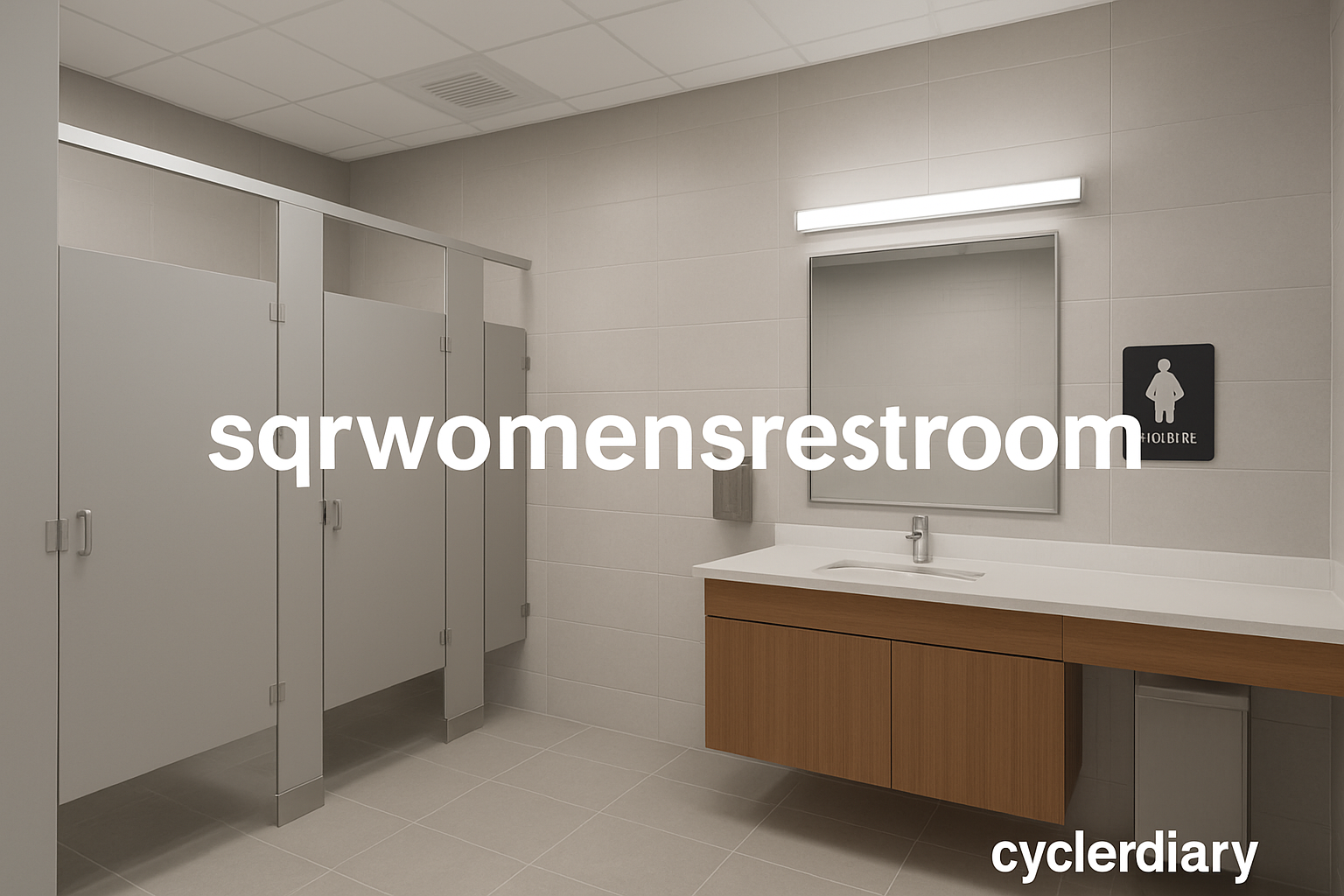
Public restrooms are more than tiles and sinks — they are a daily service, a safety question, and a design challenge. The term sqrwomensrestroom has emerged recently as a shorthand for a new generation of women-focused restroom design that prioritizes privacy, health, accessibility, and sensible technology. This article explains what the sqrwomensrestroom idea means, why it matters, and how designers and facility managers can bring it to life in ways that respect users and budgets.
What the term means and why it’s appearing now
At its core, sqrwomensrestroom describes an approach to restroom planning that starts with women’s real needs: deeper stalls, discreet disposal options, seating or changing areas, room for strollers or bags, good sightlines at entrances, and touch-minimizing fixtures. The label has been used on several recent design and facilities blogs to capture a cluster of features and priorities that conventional restroom layouts often miss.
Design conversations have shifted because users demand more than functionality: they want dignity and convenience. The sqrwomensrestroom concept bundles practical fixes (shelf hooks, sanitary bin placement, hooks inside stalls) with policy-minded ideas (clear signage, attendant presence where appropriate, and inclusive single-user options). These changes respond to everyday pain points—long lines, awkward luggage, and lack of privacy—while also acknowledging accessibility and maintenance realities.
Design principles that guide a good sqrwomensrestroom
A well-designed sqrwomensrestroom grows from a few guiding principles rather than a checklist of gimmicks. First, privacy: full-height or near-full-height partitions, reduced gap dimensions, and visual buffers at entrances reduce anxiety and create calmer spaces. Second, accessibility: layouts must meet or exceed accessibility standards by including at least one accessible compartment, grab bars, clear turning radii, and a reachable vanity or changing station. Third, hygiene: touchless faucets, soap dispensers, and hands-free doors cut contact points and improve perception of cleanliness. Finally, flexibility: modular fixtures, easily replaceable components, and choice of single-user or multi-stall configurations let managers adapt over time. Evidence and guidance for inclusive restroom planning can inform these choices and help avoid costly rework.
Practical features to include (and why they matter)
When translating principle into plan, focus on features that provide measurable benefits:
- Stall design: deeper stalls with small shelves and coat hooks make short trips simpler and reduce clutter at sink counters.
- Sanitary disposal: bins inside every stall placed at arm’s reach encourage proper use and reduce hallway waste.
- Changing and stroller space: a fold-down table or dedicated stall avoids awkward maneuvers and speeds traffic.
- Visibility and safety: bright, even lighting and unobstructed sightlines at the entrance deter misuse while respecting privacy inside stalls.
- Touchless tech: automatic faucets, dispensers, and flush valves reduce germ transmission and lower perceived risk.
These elements together form the functional core of a modern sqrwomensrestroom and improve both the user experience and operational performance.
Accessibility, inclusion, and compliance—what to watch for
Designers must keep code and best practice in view. A sqrwomensrestroom can embrace inclusive design—for example, providing single-user accessible toilet rooms clustered near multi-stall spaces—while meeting required accessibility percentages and fixture counts. Following recognized accessibility guides ensures the facility is usable for a wide range of people and avoids legal or operational setbacks. Thoughtful planning also recognizes trade-offs: single-user rooms increase privacy and flexibility but can require more overall floor area and adaptation in existing footprints.
Technology and maintenance: smarter cleaning, not more gadgets
Technology should support care, not replace it. Smart occupancy indicators, sensor-driven fixtures, and monitoring that alerts staff to supply shortages can make a sqrwomensrestroom perform better without creating unnecessary complexity. Real advantages come from connecting simple sensors to maintenance workflows so supplies are replenished, leaks are detected early, and cleaning is scheduled where it will have the greatest impact. Over-automating can backfire; pick tech that reduces friction for users and labor for maintenance teams.
Costs, trade-offs, and implementation roadmap
Upgrading or creating a sqrwomensrestroom involves budget decisions. Full-height partitions, improved ventilation, and plumbing changes carry upfront cost; however, the reduced vandalism, improved user satisfaction, and operational efficiencies can offset those investments over time. Start small: pilot a redesigned cluster in a high-traffic location, measure cleaning time, user feedback, and maintenance calls, then scale successful elements to other locations. Engage stakeholders early—facility teams, building managers, and a small sample of users—to avoid surprises and win support.
Real-world examples and where to find inspiration
Many recent projects and write-ups from designers and facility managers showcase versions of the sqrwomensrestroom approach. Case studies highlight conversions to all-gender or single-user clusters, successful integration of changing facilities, and techniques for increasing privacy in retrofit scenarios. Reviewing these examples helps identify which design elements are proven in practice and which are still experimental. For design teams, linking inspiration to measurable goals—reduced wait times, higher cleanliness scores, and positive user feedback—turns aspiration into accountable results.
Measuring success: metrics that matter
To know if a sqrwomensrestroom is working, track a handful of clear metrics: average wait time during peak hours, number of maintenance interventions per month, user satisfaction scores from short intercept surveys, and supply consumption rates. Combining objective and subjective measures gives a full picture: faster service and cleaner spaces usually equal happier users and lower long-term costs.
Conclusion
A thoughtfully designed sqrwomensrestroom is not a trend but a sensible response to how people use public facilities today. By focusing on privacy, accessibility, hygiene, and pragmatic technology, designers and managers can create restrooms that respect users and perform reliably. Starting with pilot projects, aligning with accessibility guidance, and measuring outcomes will produce places that work better for everyone.
Frequently asked questions
What exactly is a sqrwomensrestroom?
It’s an approach to women’s restroom design that prioritizes privacy, accessibility, hygiene, and practical features like deeper stalls, sanitary bins inside stalls, and touchless fixtures.
Is sqrwomensrestroom part of building code?
No single code uses the term, but the approach should follow existing accessibility and plumbing rules to remain compliant and functional.
Which features give the biggest impact for the investment?
Improved stall privacy, sanitary disposal placement, and touchless fixtures typically deliver the most noticeable gains in user comfort and cleanliness.
Can sqrwomensrestroom ideas be applied to small facilities?
Yes—many elements are scalable, from added hooks and bins to improved signage and an accessible single-user stall that fits tight footprints.
How should a facility measure success?
Track wait times, maintenance calls, supply usage, and short user satisfaction surveys to see if changes deliver real benefits.