
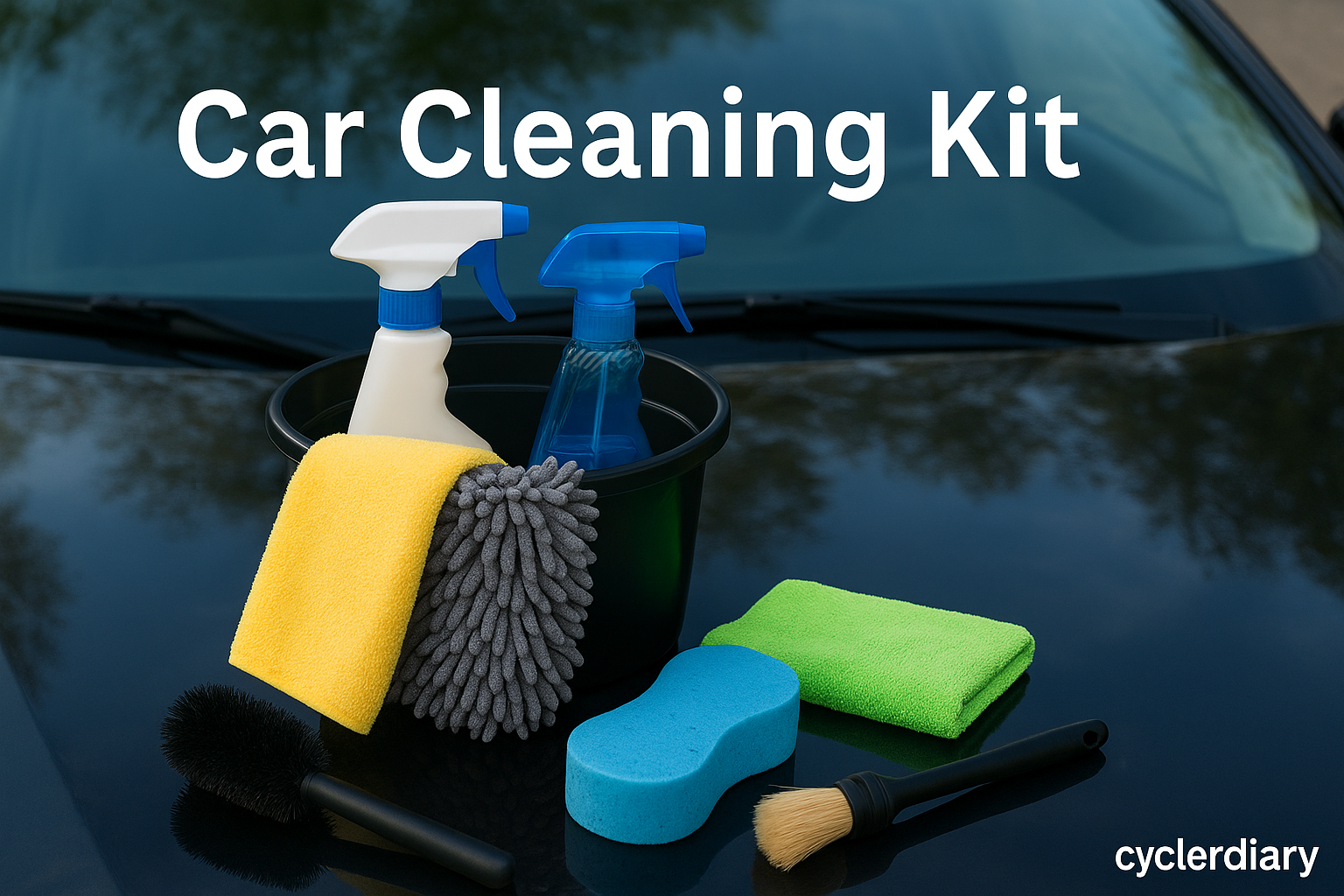
Keeping a vehicle looking its best doesn’t have to be a chore. With the right Car Cleaning Kit, you can restore shine, extend paint life, and maintain a fresh interior with confidence. This guide walks you through what a quality kit contains, how to choose one that fits your needs, and step-by-step techniques that deliver visible results without professional help.
What is a Car Cleaning Kit and why it matters
A Car Cleaning Kit is a curated set of tools and products designed to clean and protect your vehicle’s exterior and interior. Instead of buying individual bottles and accessories, a kit groups essentials—like shampoo, microfiber towels, brushes, and protectants—so you have a reliable routine every time. For busy owners, a well-selected kit saves time and money while avoiding mismatched chemicals that can harm paint or upholstery.
Typical components: what to expect inside a kit
Most comprehensive kits include a car wash soap, a soft wash mitt, several microfiber towels, a wheel cleaner and brush, glass cleaner, interior spray, and a tire dressing. Advanced kits may add a clay bar, polish and applicator pads, and a spray sealant or wax. If you prefer a minimal approach, look for kits that focus on the items you’ll actually use—interior-only kits, exterior-only kits, or detailing kits aimed at paint correction.
How to choose the right Car Cleaning Kit for your needs
Start by deciding what you want to accomplish: weekly maintenance, seasonal deep cleans, or full detailing. For weekly upkeep a simple car wash kit with quality shampoo and drying towels is enough. If you want long-term protection, choose a kit that includes a sealant or wax. For older cars with surface contaminants, a kit with a clay bar and polish will make a big difference. Always check product descriptions for pH balance (safe for wax/ceramic coatings) and ensure microfiber items are high GSM for better absorption and scratch prevention.
Step-by-step: using your kit for best results
Begin by rinsing loose dirt away, then wash using a two-bucket method—one bucket with soap and one with clean water to rinse your mitt. Wash from top to bottom in straight lines rather than circular motions to reduce swirl marks. Use a separate brush and cleaner for wheels to avoid cross-contamination. After washing, dry with a plush microfiber towel or a dedicated drying cloth to prevent water spots. For paint protection, apply polish or sealant as directed, using foam applicators in light, even strokes and removing residue with a clean towel. Interior care starts with vacuuming, then applying an interior cleaner to dash and upholstery, finishing with a fabric protector if desired.
Interior focus: tools that transform the cabin
A good interior car cleaning kit will include a handheld vacuum or a small brush, a multi-surface cleaner safe for leather and plastics, microfiber cloths, and an upholstery spot cleaner. For stubborn stains, a soft-bristled brush and a fabric-safe cleaner can lift dirt without fading color. Conditioning leather after cleaning preserves suppleness; for cloth seats, a steam cleaner or fabric protector helps repel future spills.
Exterior focus: protecting paint, wheels, and trim
Exterior-focused Car Cleaning Kit items—wheel cleaner, tire dressing, clay bar, polish and wax—are aimed at removing road grime and protecting surfaces. Clay bars remove bonded contaminants that washing alone can’t, while polish restores gloss by smoothing micro-scratches. Finish with a durable wax or sealant to lock in protection. When working around trim and chrome, use dedicated products to avoid discoloration or residue buildup.
Maintenance, storage, and safety tips
Store liquids upright in a cool, dry place away from direct sunlight. Rinse and dry brushes and towels after use to avoid mildew. Label spray bottles clearly and keep chemicals out of reach of children and pets. When using concentrated cleaners, follow dilution instructions to avoid damaging surfaces. Always work in a shaded area to prevent products from drying too fast on hot surfaces.
Common mistakes to avoid
Avoid using household detergents or dish soap—these strip protective wax and accelerate fading. Don’t use the same towels for wheels and paint; abrasive wheel residue can create scratches. Never apply wax or polish on a hot surface or under direct sun. Skipping the clay step when needed will leave contaminants trapped under your protective layer, reducing longevity of any wax or sealant you apply.
Budget and buying guide: what to spend and where to prioritize
You can find decent starter kits at modest prices, but prioritize the quality of microfiber towels and the pH-neutral car shampoo. Mid-range kits that include a clay bar and polish deliver greater value for long-term care. If your budget allows, invest in a foam cannon or a dual-action polisher for faster, more consistent results—these tools amplify the effectiveness of the products in your kit. Read product lists carefully and match a kit to your vehicle’s condition rather than buying the largest set by default.
Routine plan: how often to use each item
A simple weekly routine includes washing, tire dressing as needed, and light interior tidying. Monthly tasks might include clay treatment and applying a fresh layer of sealant or wax. Deep cleaning—polishing, upholstery shampooing, and wheel restoration—can be scheduled every few months depending on driving conditions and local climate. A consistent routine ensures your Car Cleaning Kit pays dividends in appearance and resale value.
Pro tips to get professional-level results at home
Work in sections, keep applicators clean, and rotate microfiber towels so each one stays effective longer. When polishing, use slow, overlapping passes and inspect the paint under different lighting. For glass, clean with vertical strokes on the outside and horizontal strokes on the inside to easily spot streaks. Small details—like cleaning door jambs and engine bay wipes—raise the overall impression of a well-kept vehicle.
Frequently Asked Questions
What should be in a basic Car Cleaning Kit?
A basic kit should include a pH-neutral shampoo, wash mitt, microfiber towels, glass cleaner, wheel cleaner, and a tire dressing for a complete weekly routine.
Can I use a clay bar on any car?
Yes, clay bars are safe for most paint surfaces when used with a lubricant; they remove bonded contaminants that regular washing cannot.
How often should I apply wax or sealant?
Apply wax every 2–3 months and a longer-lasting sealant every 4–6 months depending on product claims and local weather conditions.
Are professional kits worth the extra cost?
Professional kits often contain higher-concentration products and more specialized tools, which can be worth the investment for enthusiasts or frequent detailers.
How do I avoid swirl marks during washing?
Use the two-bucket method, soft microfiber mitts, and wash in straight lines rather than circular motions to minimize swirls.
Conclusion
Choosing the right Car Cleaning Kit and following a steady maintenance routine turns car care from a chore into an efficient and satisfying habit. Prioritize safe, purpose-made products, protect paint with regular wax or sealant, and keep interior materials conditioned for lasting results. With the right tools and techniques, professional-looking results are well within reach at home.