
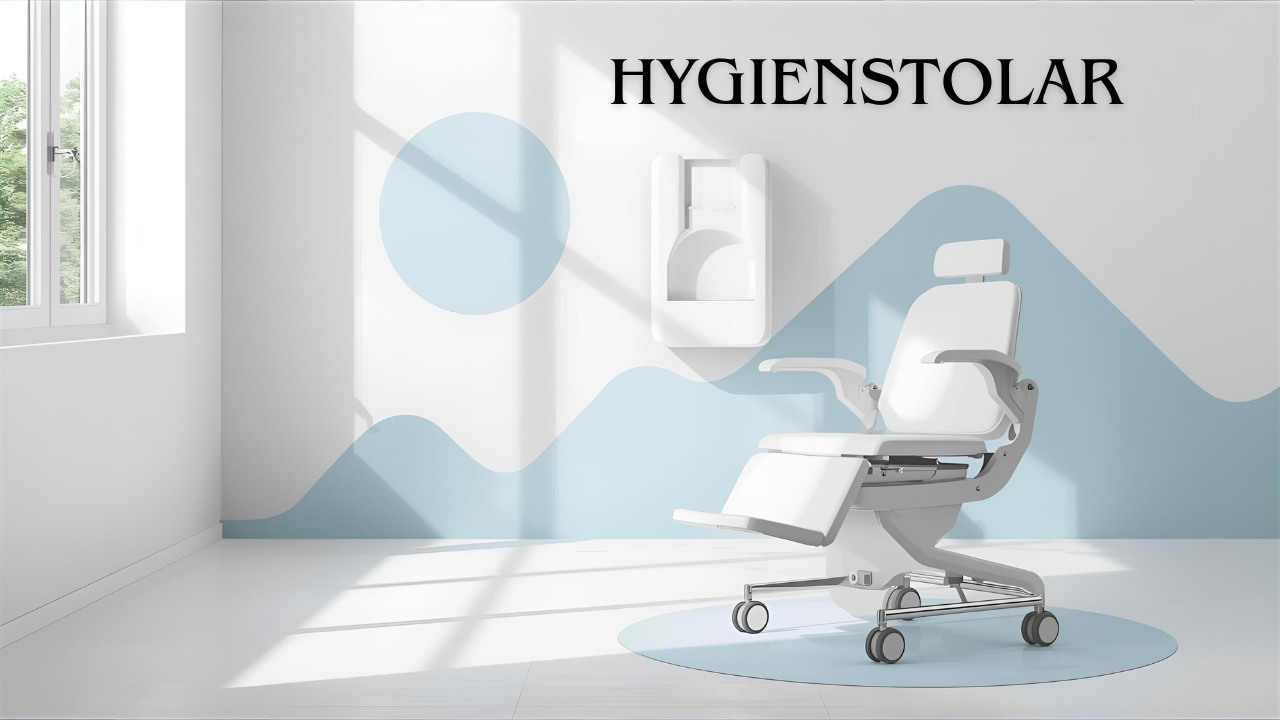
Hygienstolar are purpose-built hygiene chairs used across healthcare, eldercare, and home settings to make bathing, showering, and toileting safer and more dignified. This guide explains what these chairs are, who needs them, the main types and features to consider, and practical buying and maintenance advice you can use right away. The goal is to give clear, actionable information so caregivers and procurement teams can choose the right solution with confidence.
What are Hygienstolar and why they matter
A hygienstol is a specialized seating solution designed for personal hygiene tasks. Hygienstolar combine mobility, stability and comfort to support transfers, reduce caregiver strain and preserve user dignity during intimate care. Built with waterproof materials, drainage-friendly seats and often with wheels or height adjustment, these chairs are engineered to meet strict infection-control and ergonomic needs. For facilities and home caregivers, choosing the right hygienstol improves safety, lowers injury risk and speeds up daily routines.
Main types of Hygienstolar
There are several common categories you’ll encounter when researching hygienstolar. Mobile shower chairs are lightweight and roll smoothly for shower use; fixed toileting chairs prioritize robust support and may be positioned over a commode; electrically adjustable hygienstolar provide powered height and tilt adjustments for complex transfers; and pediatric or bariatric versions are sized for special population needs. Understanding the environment — bathroom layout, transfer methods and user weight or mobility limits — helps match the right chair type to real-world care tasks.
Key features to evaluate
When assessing hygienstolar, focus on features that impact safety, cleaning and daily usability. Look for sturdy frame construction rated to a clear weight capacity, a seat design that allows good drainage and easy cleaning, anti-slip wheels and reliable brakes, and adjustable armrests and foot supports to facilitate safe transfers. For higher-care settings, electric controls with emergency manual overrides and tilt-in-space functions can reduce manual lifting. Accessories such as commode pans, cushions, and positioning straps add functionality but should be chosen with infection control and user comfort in mind.
Selecting the right Hygienstolar for care settings
Selecting an appropriate hygienstol starts with a practical needs assessment: define the user’s mobility level, typical transfers (bed-to-chair, chair-to-toilet, standing transfers), and the bathroom’s dimensions. For small bathrooms, a compact mobile hygienstol with swivel seat and tight-turning radius works best. In care homes, prioritize durable frames and simple controls that multiple staff can operate. For home use, blend comfort and discreet design while ensuring weight capacity and stability match the resident. Whenever possible, trial different models with the actual user to confirm fit and ease of transfer.
Safety, infection control and maintenance
Hygienstolar must be easy to disinfect and maintain. Choose materials that withstand standard cleaning agents and avoid hidden crevices where grime collects. Wheels and brakes require regular inspection: test brakes daily and lubricate moving parts per manufacturer guidance. Follow a scheduled deep-clean routine for commode pans and removable cushions, and replace worn straps or padding promptly. Proper staff training reduces misuse — ensure caregivers know safe transfer techniques, correct braking procedures, and how to secure accessories before use.
Practical buying and procurement tips
When procuring hygienstolar, request full technical specifications, load ratings, and cleaning instructions from suppliers. Ask for warranty details and available spare parts; having a local service partner reduces downtime. Compare total cost of ownership, not just purchase price: factor in expected lifespan, maintenance needs and consumable parts such as cushions or commode inserts. For larger organizations, standardize a short list of compatible models to simplify staff training and spare parts inventory. Finally, check for relevant compliance marks or certifications that apply in your region to ensure product safety and regulatory alignment.
Real-world benefits and measurable outcomes
Using the right hygienstolar translates into measurable benefits: fewer caregiver injuries, shorter assistance times during hygiene routines, and improved user comfort and dignity. Facilities that standardize safe, adjustable seating often report lower incidence of manual handling incidents and improved resident satisfaction. For family caregivers, a well-chosen hygienstol can make daily care less physically demanding and more consistent, improving both caregiver wellbeing and the user’s quality of life.
Conclusion
Hygienstolar are essential tools in modern personal care, balancing user dignity with caregiver safety. By focusing on the correct chair type, essential features, and routine maintenance, you can select durable, user-friendly solutions that streamline hygiene tasks and reduce risk. Make procurement decisions based on real-world trials, manufacturer support and compatibility with your care environment to get the best long-term outcome.
FAQs
What is the difference between a shower chair and a hygienstol?
A shower chair is usually simpler and meant primarily for showering; a hygienstol often includes additional features like drainage-friendly commode pans, height adjustment, and sturdy frame options for broader hygiene tasks.
How often should a hygienstol be inspected?
Basic checks (wheels, brakes, visible wear) should be done daily; full inspections and cleaning should follow manufacturer guidance — typically weekly or monthly depending on use.
Can I use a hygienstol for a bariatric user?
Yes, but only if the model is specifically rated for higher weight capacities. Always verify load ratings and stability specs before use.
Are hygienestolar easy to clean?
Yes, most are designed with waterproof surfaces and removable components for cleaning. Confirm that materials tolerate your facility’s disinfectants.
Do hygienestolar require special staff training?
Staff should be trained in safe transfer techniques, correct braking and locking, and how to fit accessories properly — training reduces misuse and improves safety.